Microsurgical Epididymal Sperm Aspiration (MESA)
MESA is an advanced microsurgical procedure that retrieves large numbers of high-quality sperm from the epididymis for use in multiple IVF/ICSI cycles [web:6].
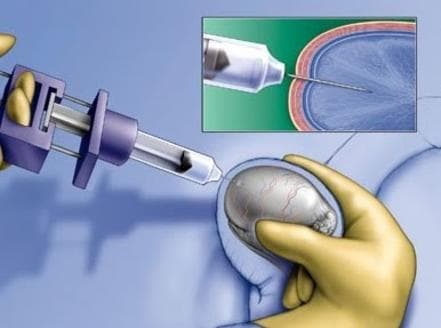
What is MESA?
MESA (Microsurgical Epididymal Sperm Aspiration) is a surgical procedure where an incision is made in the scrotum to expose the testis and epididymis [web:6]. An operating microscope is used to identify a single epididymal tube from which sperm can be aspirated [web:6].
Unlike PESA, MESA is a more invasive microsurgical approach that allows direct visualization and precise sperm collection, resulting in retrieval of larger numbers of high-quality sperm [web:6][web:9].
When is MESA Recommended?
MESA is generally performed for men with:
- Non-correctable congenital problems such as absence of vas deferens [web:6]
- Obstruction in the epididymis [web:6]
- Failed PESA or TESA procedures
- Need for large quantities of sperm for freezing
- Complex obstructive azoospermia cases
MESA Procedure Steps
- General anesthesia: MESA is performed under general anesthesia for patient comfort [web:6]
- Surgical incision: A small incision is made in the scrotum to expose the testis and epididymis
- Microscopic examination: An operating microscope helps identify optimal epididymal tubes [web:6][web:9]
- Sperm aspiration: Sperm-rich fluid is carefully aspirated from selected tubes
- Closure: The incision is closed with dissolvable sutures
- Sperm processing: Retrieved sperm are processed for immediate use or cryopreservation
Advantages of MESA
- Retrieves large numbers of high-quality sperm [web:6][web:9]
- Sperm can be used for multiple IVF/ICSI cycles [web:6]
- Excess sperm can be frozen for future use [web:6][web:9]
- Direct visualization ensures optimal sperm collection
- Higher sperm retrieval rates compared to needle aspiration
- Better quality sperm due to selective tube identification
- Reduces need for repeat procedures
Recovery and Considerations
Since MESA is a surgical procedure performed under general anesthesia, recovery takes slightly longer than PESA:
- Rest for 24-48 hours after the procedure
- Scrotal support garment recommended for 1 week
- Avoid strenuous activity for 1-2 weeks
- Mild to moderate discomfort managed with pain medication
- Follow-up appointment to check healing
The advantage of MESA is that sufficient sperm can often be retrieved and frozen, eliminating the need for repeated procedures in future IVF cycles.
MESA vs Other Procedures
- MESA vs PESA: MESA is surgical with microscope; PESA uses needle aspiration
- MESA vs TESA: MESA retrieves from epididymis; TESA from testicular tissue
- When to choose MESA: Complex obstructions, congenital anomalies, or need for large sperm quantities
Why Choose DAARA Hospital for MESA?
- Skilled microsurgeons with extensive MESA experience
- State-of-the-art surgical microscopes and equipment
- Advanced cryopreservation facilities for sperm storage
- Integrated andrology and embryology labs
- Comprehensive post-operative care and support
Schedule a consultation with our male infertility specialists to discuss if MESA is the right option for you.
FAQs
How is MESA different from PESA?
MESA involves a surgical incision and uses a microscope for direct visualization, allowing collection of larger quantities of high-quality sperm. PESA uses a needle through the skin without incision. MESA is more invasive but yields better results for complex cases.
How long can frozen sperm from MESA be stored?
Frozen sperm can be stored indefinitely (years or decades) with proper cryopreservation techniques, allowing use in multiple future IVF/ICSI cycles.
What is the success rate of MESA?
MESA has very high sperm retrieval rates (often 95%+) in men with obstructive azoospermia. Pregnancy success depends on sperm quality, egg quality, and embryo development.
Will MESA affect testosterone production?
No, MESA retrieves sperm from the epididymis and does not affect the testis tissue responsible for testosterone production.