Percutaneous Epididymal Sperm Aspiration (PESA)
PESA is a simple, minimally invasive sperm retrieval technique that uses a fine needle to collect sperm from the epididymis for use in IVF/ICSI [web:6].
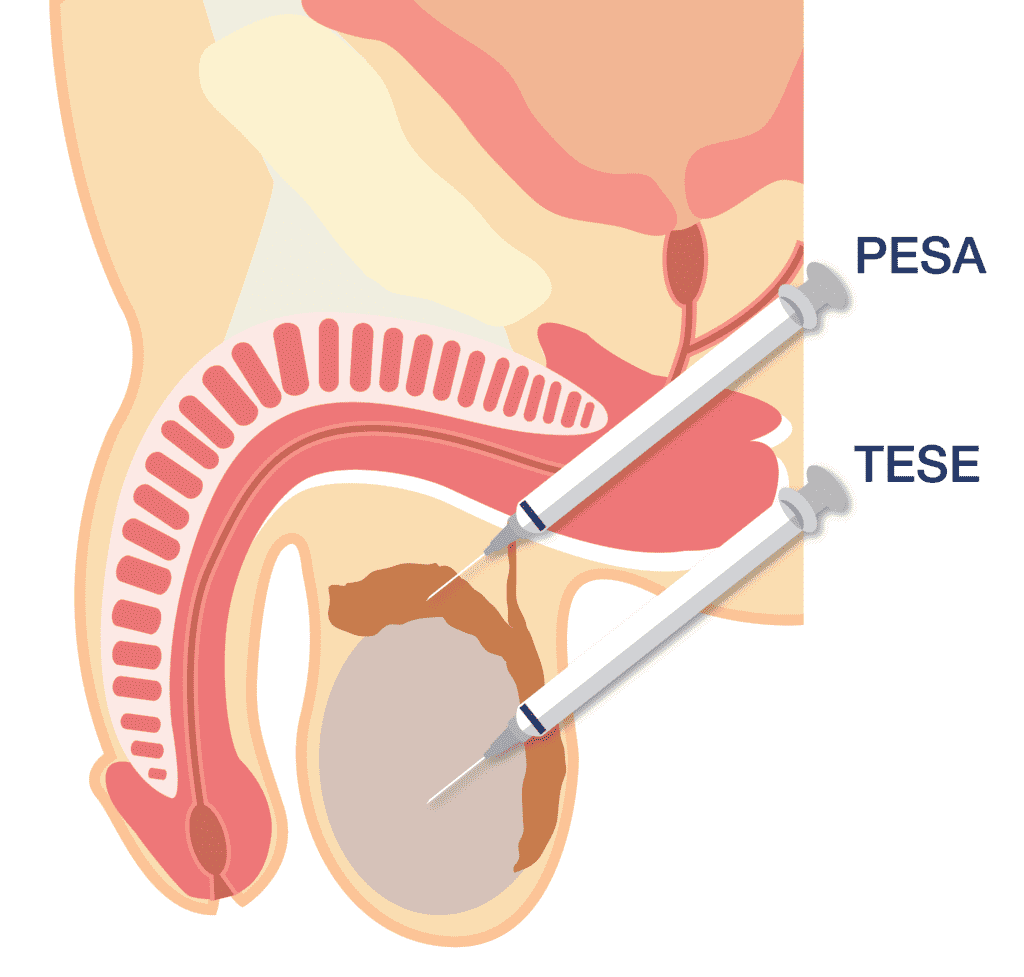
What is PESA?
PESA (Percutaneous Epididymal Sperm Aspiration) is a surgical sperm retrieval procedure performed under local anesthesia [web:6]. A fine needle is passed through the scrotal skin into the epididymis - the coiled structure where sperm mature and are temporarily stored after production in the testis [web:6].
This procedure is particularly useful for men with obstructive azoospermia, where sperm are produced normally but cannot be released due to blockages in the reproductive tract [web:6].
When is PESA Recommended?
PESA is beneficial for men with:
- Obstructive azoospermia - sperm production is normal but release is blocked [web:6]
- Previous vasectomy with no desire for reversal surgery [web:6]
- Failed vasectomy reversal [web:6]
- Congenital absence of vas deferens
- Blockages due to infection or injury
PESA is always combined with IVF/ICSI, allowing your fertility doctor to select healthy sperm and use them to fertilize individual eggs [web:6].
PESA Procedure Steps
- Anesthesia: Local anesthesia is administered to numb the scrotal area
- Needle insertion: A fine needle is carefully inserted through the skin into the epididymis
- Sperm aspiration: Fluid containing sperm is gently aspirated through the needle
- Laboratory processing: Retrieved sperm are examined and prepared for ICSI
- ICSI fertilization: Selected healthy sperm are injected directly into eggs
The entire PESA procedure takes approximately 10-15 minutes [web:6].
Advantages of PESA
- Minimally invasive with quick recovery
- Performed under local anesthesia - no general anesthesia needed [web:6]
- Quick procedure (10-15 minutes) [web:6]
- No surgical incision required
- Suitable for men with normal sperm production but release problems
- Can be repeated if necessary
- Lower cost compared to microsurgical procedures
Recovery and Potential Risks
Recovery from PESA is typically quick, with most men returning to normal activities within a few days. You may experience:
- Mild scrotal discomfort or bruising
- Minor swelling (usually resolves in 2-3 days)
- Slight bleeding at the puncture site (rare)
Serious complications are very rare. Pain medication and ice packs help manage any discomfort.
PESA vs Other Sperm Retrieval Methods
- PESA vs TESA: PESA retrieves from epididymis; TESA from testis directly
- PESA vs MESA: PESA uses needle aspiration; MESA requires surgical incision and microscope
- Best for: PESA is ideal for obstructive azoospermia with normal sperm production
Why Choose DAARA Hospital for PESA?
- Expert urologists and fertility specialists
- Advanced laboratory for sperm processing and ICSI
- High success rates with sperm retrieval
- Comfortable procedure room with modern equipment
- Comprehensive male infertility evaluation
Contact us today to schedule a consultation and semen analysis to determine if PESA is right for you.
FAQs
Is PESA painful?
No, PESA is performed under local anesthesia, so you won't feel pain during the procedure. Mild discomfort afterward can be managed with over-the-counter pain medication.
How successful is PESA?
PESA has high success rates for sperm retrieval in men with obstructive azoospermia (often 90%+). The pregnancy success rate depends on the quality of retrieved sperm and the female partner's egg quality.
Can retrieved sperm be frozen for future use?
Yes, excess sperm retrieved during PESA can be cryopreserved (frozen) for use in future IVF/ICSI cycles.
When is PESA done in relation to egg retrieval?
PESA is typically timed to coincide with the female partner's egg retrieval day, ensuring fresh sperm are available for immediate ICSI fertilization.